The simple formula
Cost per hour = (watts ÷ 1000) × your price per kWh.
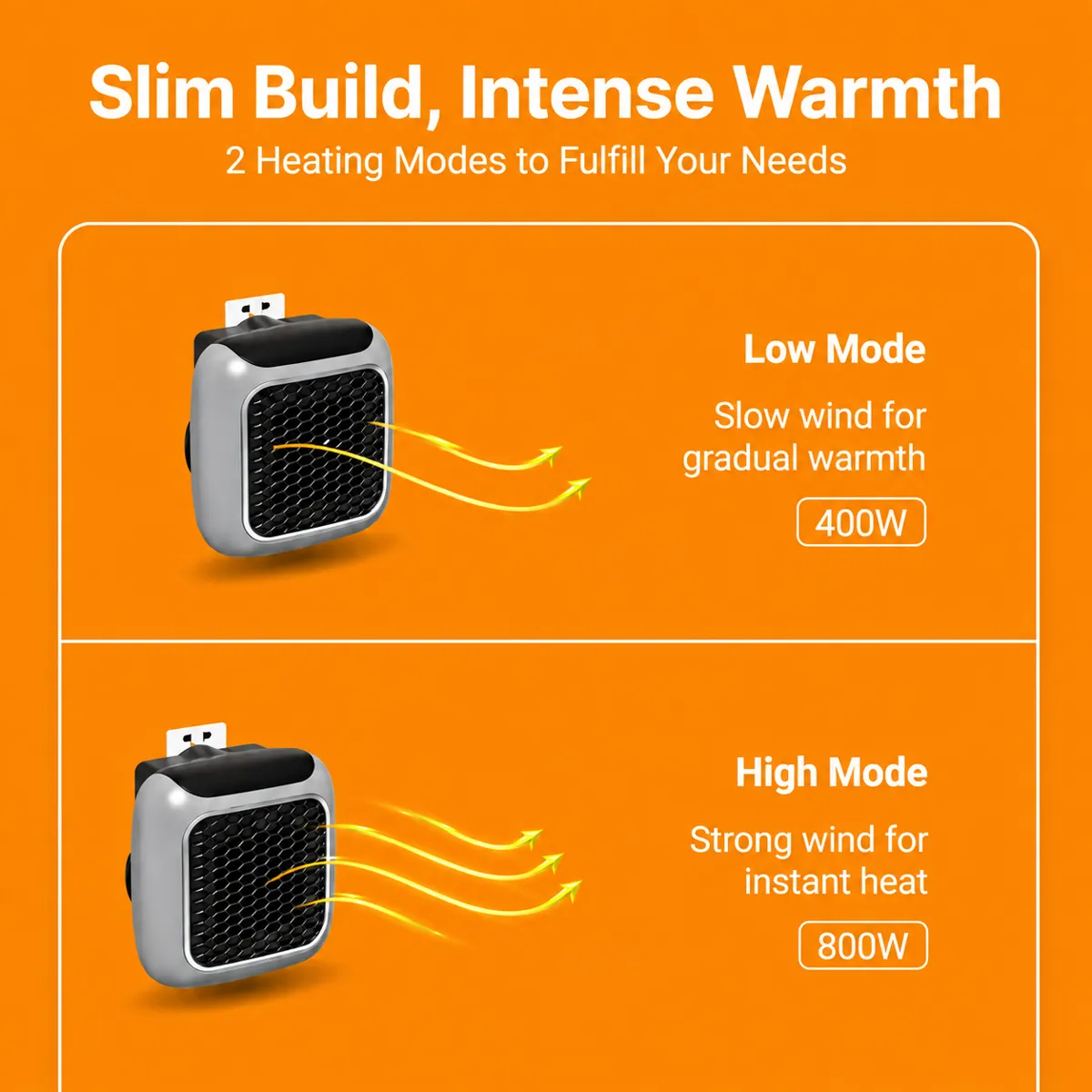
For example, at 800W and a price of 0.20 per kWh, that's 0.8 × 0.20 = 0.16 per hour. At 400W it's half that. The thermostat also cycles the heater off once the room is warm, so the real cost is often lower.
How to keep costs down
- Use the low mode once the room is warm
- Set the thermostat instead of running it flat out
- Use the timer
- Close the door to keep the heat in
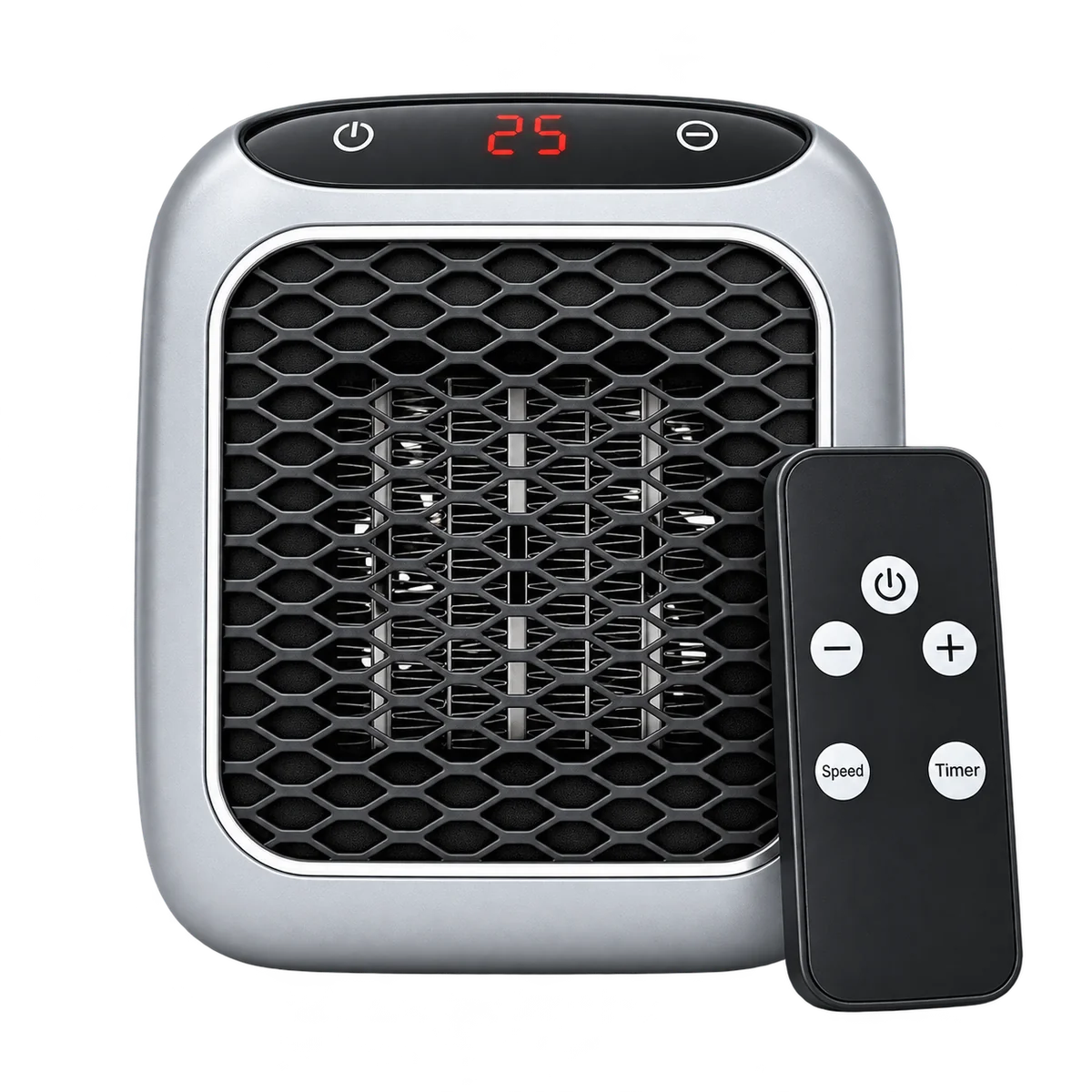
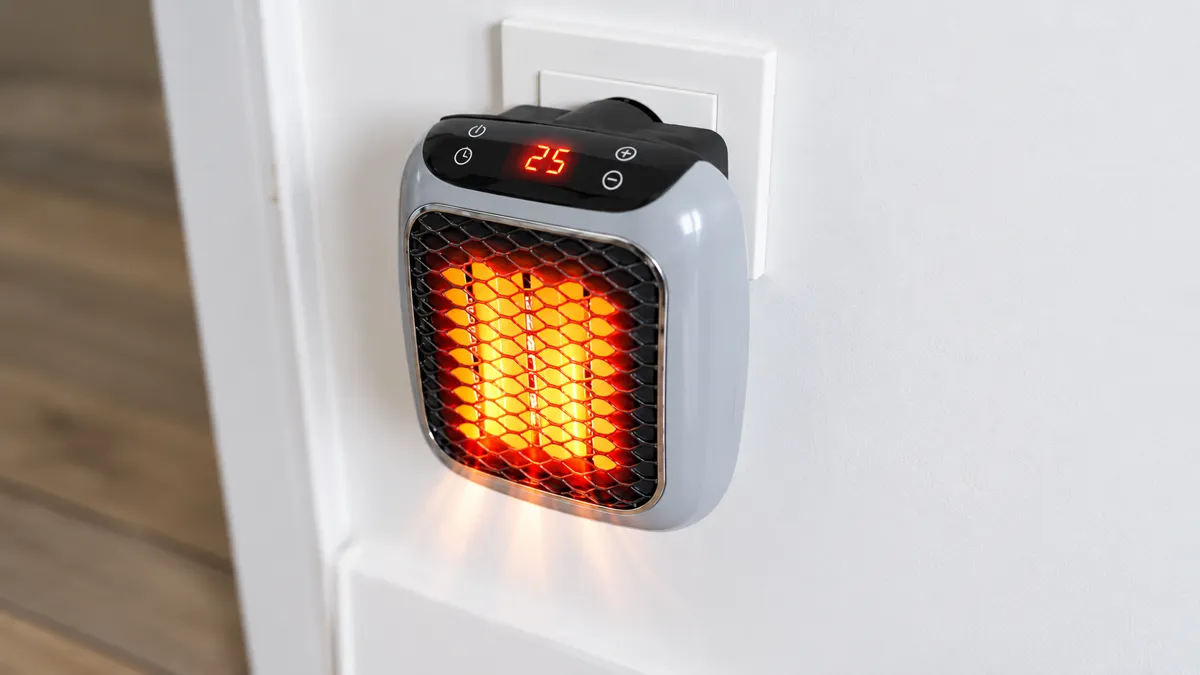
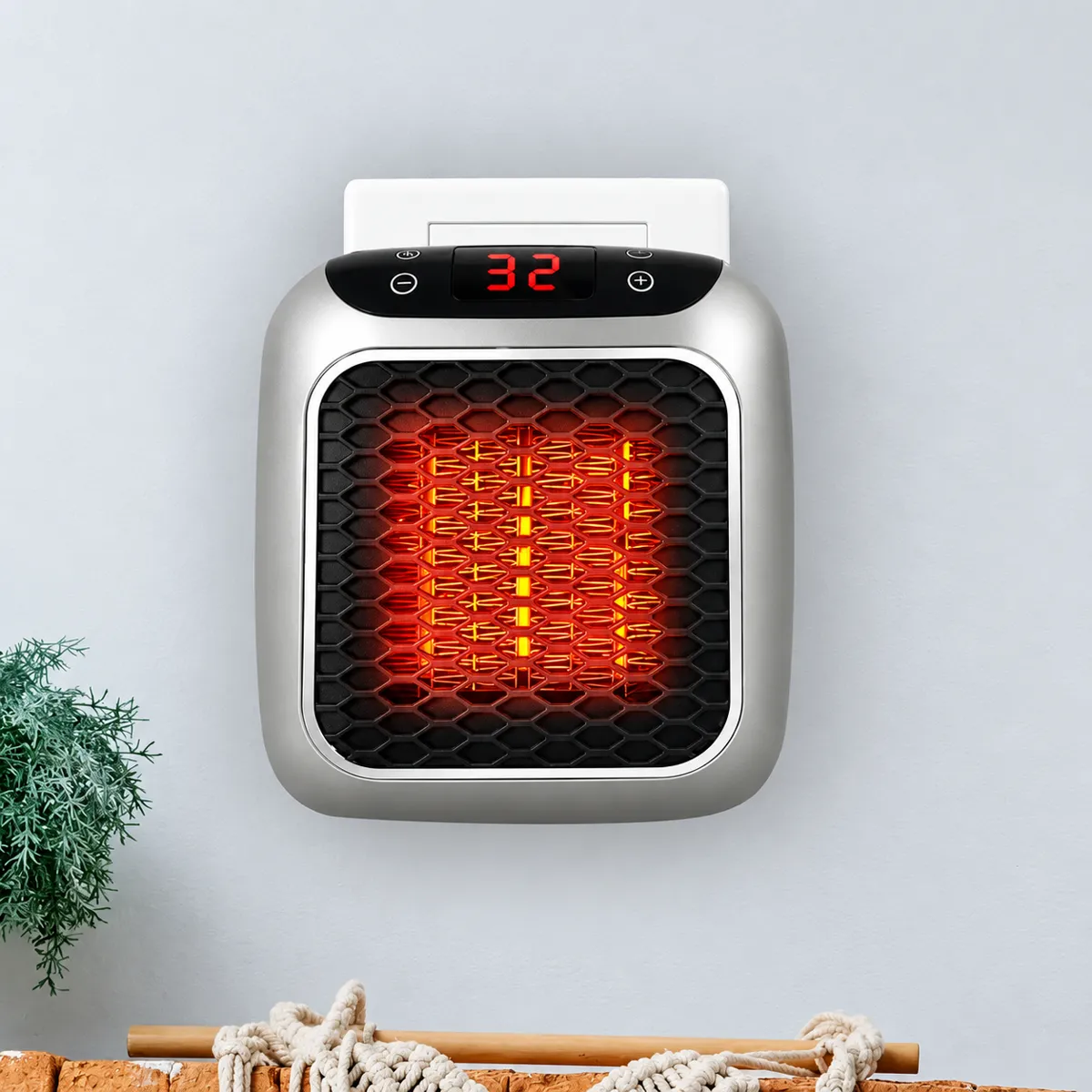
RapidHeat: 400W/800W ceramic heater
Thermostat, remote and timer · 30-day money-back guarantee
Watts, kilowatts and kWh, made simple
A heater's wattage tells you how much power it draws while it's running. 1,000 watts is one kilowatt (kW). If a 1 kW heater runs for one hour, it uses one kilowatt-hour (kWh), which is the unit on your electricity bill.
So an 800W heater uses 0.8 kWh per hour at full power, and a 400W heater uses 0.4 kWh. A typical 1,500W space heater uses 1.5 kWh per hour, nearly twice as much as RapidHeat on High.
Why the real cost is often lower
Heaters with a thermostat don't run at full power all the time. Once the room reaches the temperature you've set, the heating element cycles off and on to hold it. In a well-closed room, that can mean it's actually heating only part of each hour.
Draughts, open doors, thin windows and cold outside temperatures make it work harder. Close the door and curtains and you'll use less.
Plug-in heater vs central heating
Per unit of energy, electricity often costs more than gas. But central heating warms every room, including those you're not using. A small electric heater in one room can be cheaper overall when you turn the main heating down. Whether it is for you depends on your prices and home, so it's worth running the numbers.
Signs your heater is costing too much
- It runs on full power for hours without the room feeling warm
- The room is much bigger than the heater is designed for
- Doors or windows are left open
- It's on while nobody's in the room
How many heaters for your room?
A rough guide for topping up a home that has some heating. Cold, high-ceilinged or poorly insulated rooms may need more.
| Room size | Typical room | RapidHeat units |
|---|---|---|
| Up to 250 sq ft (≈23 m²) | Bedroom, office, small living room | 1 |
| Up to 500 sq ft (≈46 m²) | Living room, large bedroom | 2 |
| Up to 750 sq ft (≈70 m²) | Open-plan or draughty room | 3 |
| Larger spaces | Alongside your main heating | 4 |
What it costs to run
Maximum cost at full power, for common electricity prices per kWh in your own currency. With the thermostat cycling off once the room is warm, real costs are often lower. Try the energy cost calculator with your exact price.
| Price per kWh | Low 400W / hour | High 800W / hour | High, 4 h a day / month |
|---|---|---|---|
| 0.15 | 0.06 | 0.12 | 14.40 |
| 0.25 | 0.10 | 0.20 | 24.00 |
| 0.35 | 0.14 | 0.28 | 33.60 |
Who RapidHeat is not for
We'd rather you buy the right heater than return the wrong one. RapidHeat isn't the best choice for:
- Heating a whole house or open-plan floor on its own
- Large rooms over about 250 sq ft (≈23 m²) with just one unit (use two or more)
- Bathrooms or anywhere it could get splashed with water
- People who want silent, fan-free heat (try an oil-filled radiator)
Common questions
How much does RapidHeat cost to run?
At full power RapidHeat uses 0.4 kWh per hour on Low (400W) or 0.8 kWh per hour on High (800W). Multiply that by your electricity price per kWh. At 0.25 per kWh that's 0.10 per hour on Low and 0.20 per hour on High. The thermostat cycles it off once the room is warm, so real use is often lower.
How do I find my price per kWh?
It's on your electricity bill or in your supplier's app, usually listed as the unit rate.
Is it cheaper to run a heater on low?
Yes. Low (400W) uses half the electricity per hour of High (800W).
Does leaving a heater plugged in but off use electricity?
A switched-off heater uses little or no power, but unplugging it when you're out is the safest habit.
What size room will one RapidHeat heat?
One unit suits rooms up to about 250 sq ft (≈23 m²), such as a bedroom, home office or small living area. For bigger or draughty rooms, use two or more units in different parts of the room.