
Start here
Running costs and saving money
 How much does it cost to run a space heater?Work out what a space heater costs to run per hour, per day and per month, with a simple formula, worked examples and ways to pay less.3 min readDoes a plug-in heater use a lot of electricity?How much electricity a plug-in heater uses, how to work out the cost per hour with your own energy price, and tips to keep the cost down.3 min read
 How to heat one room cheaplyPractical ways to heat a single room for less: zone heating, draft-proofing, thermostats and choosing the right small heater.2 min read
Safety
 Are space heaters safe? The rules that matterAre space heaters safe? Simple safety rules for clearance, wall outlets, water, kids and pets, plus the safety features every heater should have.2 min read
 Can you leave a heater on all night?Is it safe to leave a plug-in or space heater on overnight? The safety features to look for, safe placement and how to use the timer at bedtime.2 min read
Choosing the right heater
 How to choose the best heater for a small roomHow to choose the best heater for a small room: wattage by room size, ceramic vs oil vs infrared, safety features and running costs.2 min read
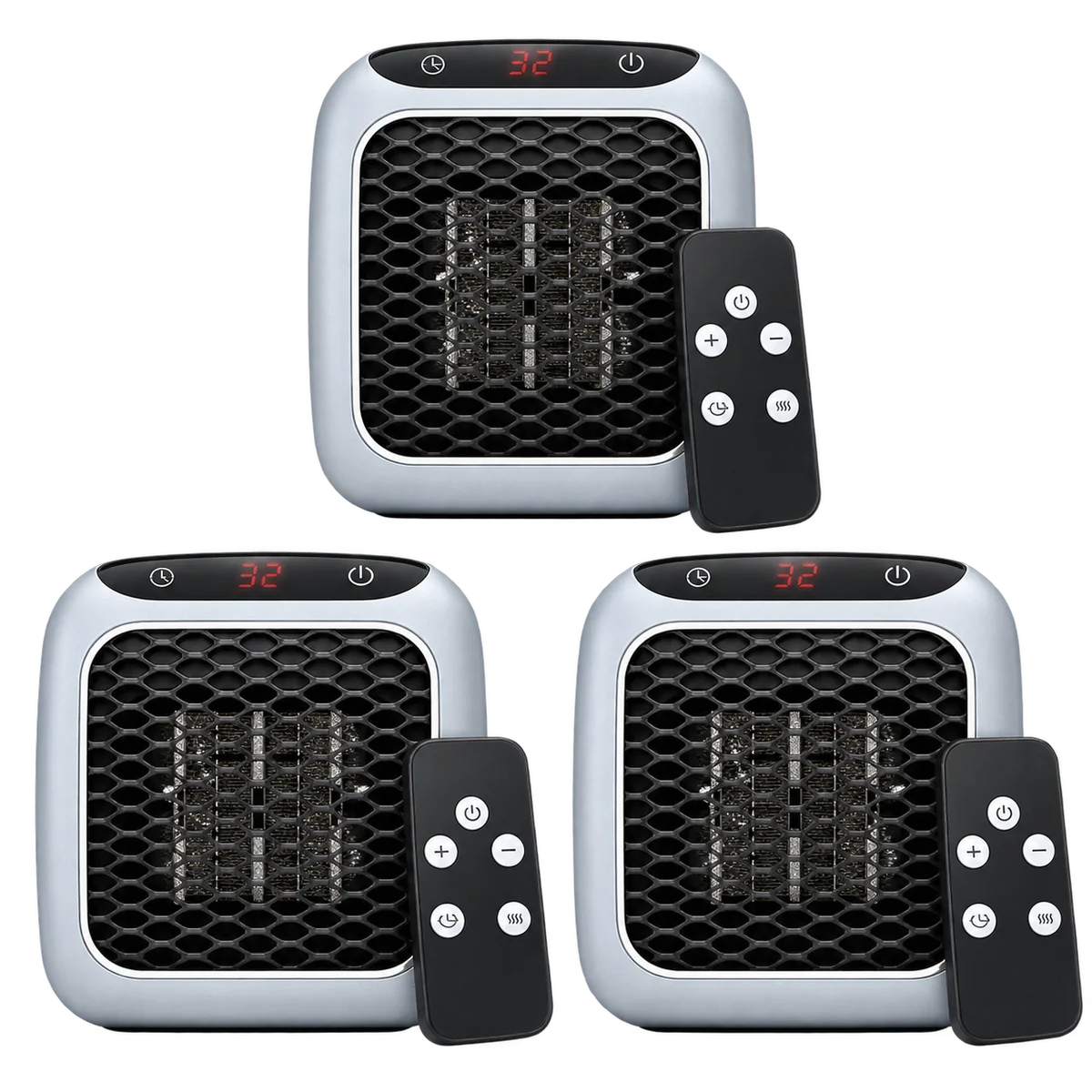 How to heat a large room with space heatersHow to heat a large room or open-plan space with space heaters: how many you need, where to place them and how to keep costs down.2 min readThe quietest space heaters: what to look forLooking for a quiet space heater for sleep or calls? Decibels explained, which heater types are quietest, and features that keep noise down.2 min read
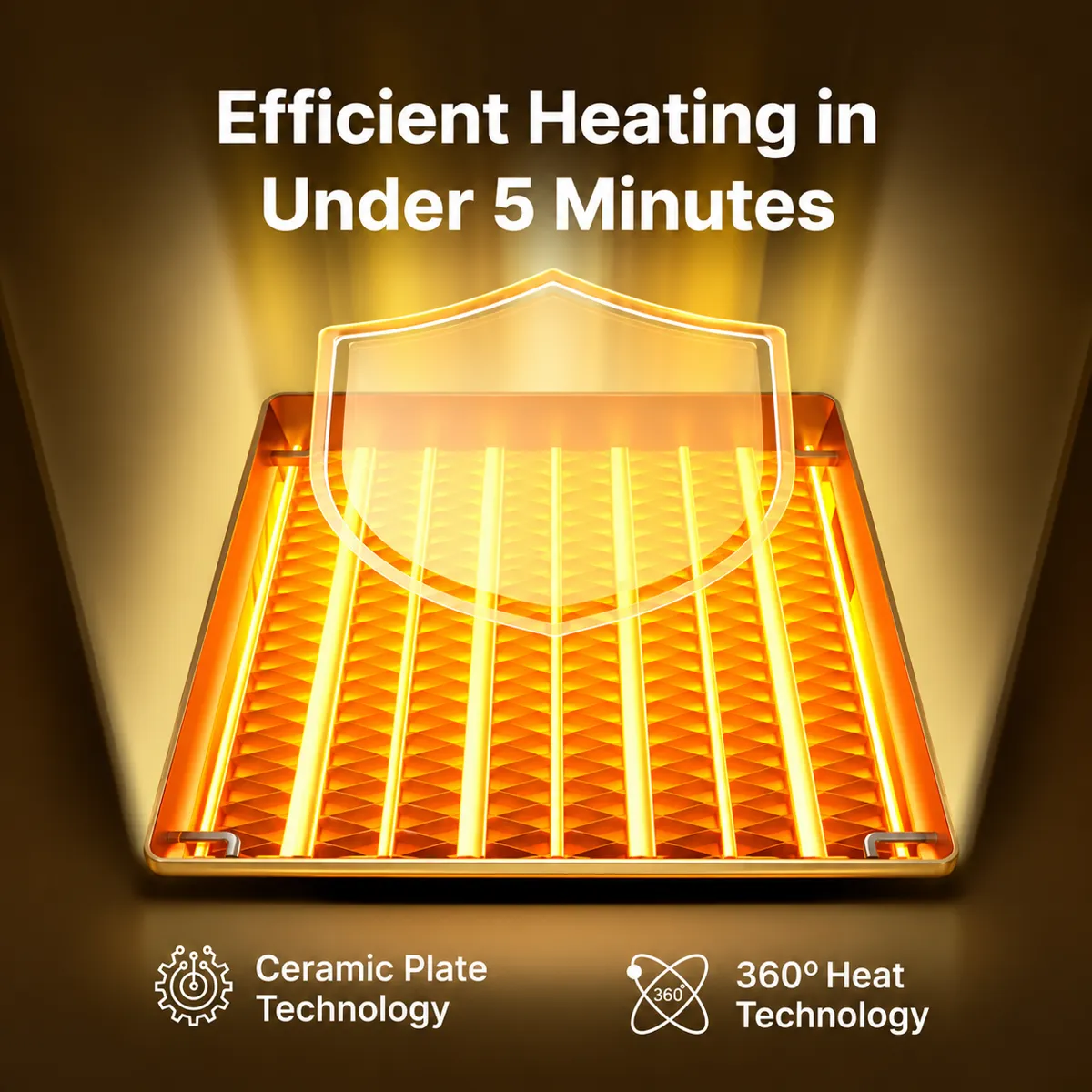 Ceramic heater vs infrared heater: which is better?Ceramic vs infrared heaters compared: how each one works, heat-up speed, running cost, safety and noise, and which type suits your room best.2 min read
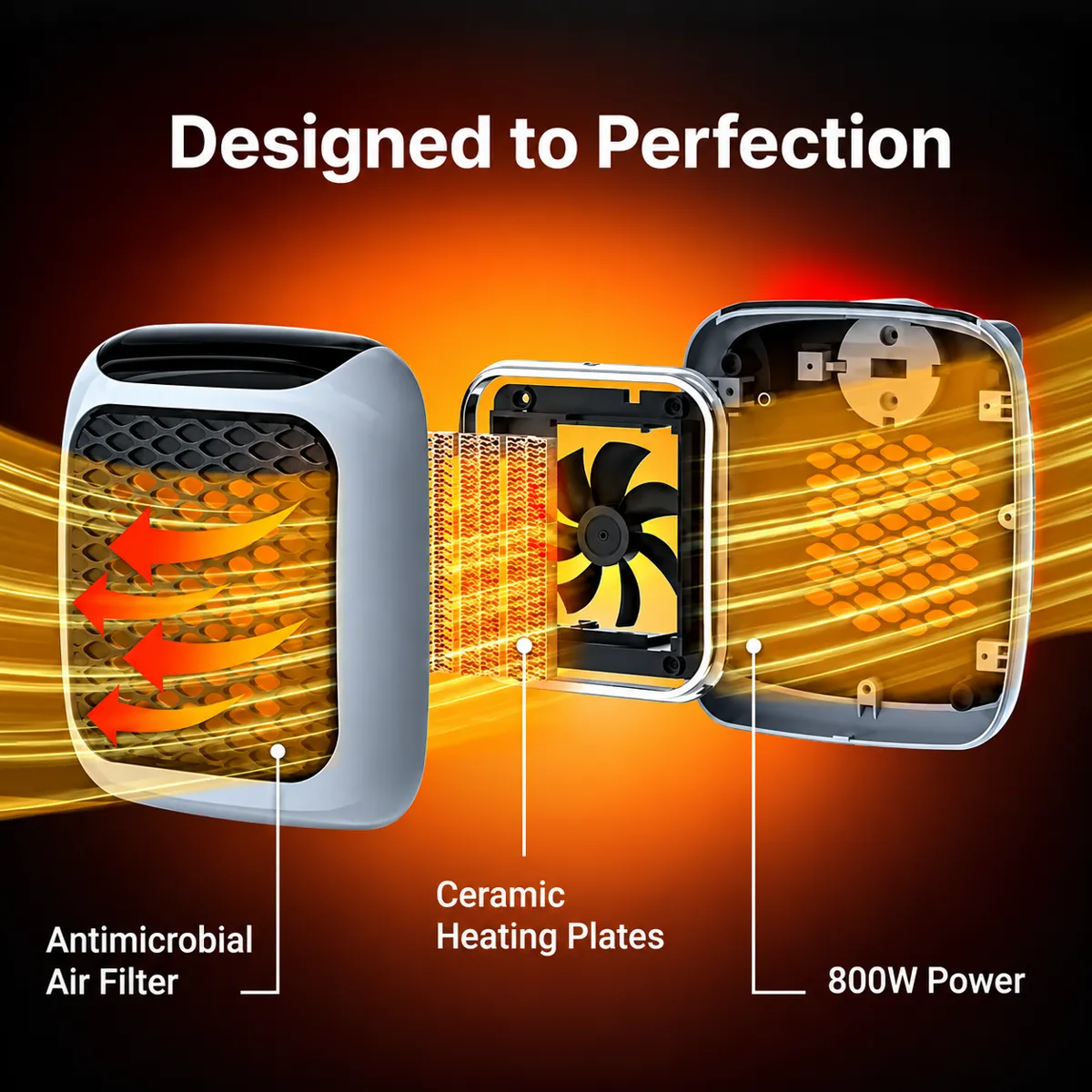 Ceramic vs oil-filled heater: which should you buy?Ceramic vs oil-filled radiators compared: warm-up speed, noise, size, safety and running costs, so you can pick the right heater.2 min read
Heaters by room and need
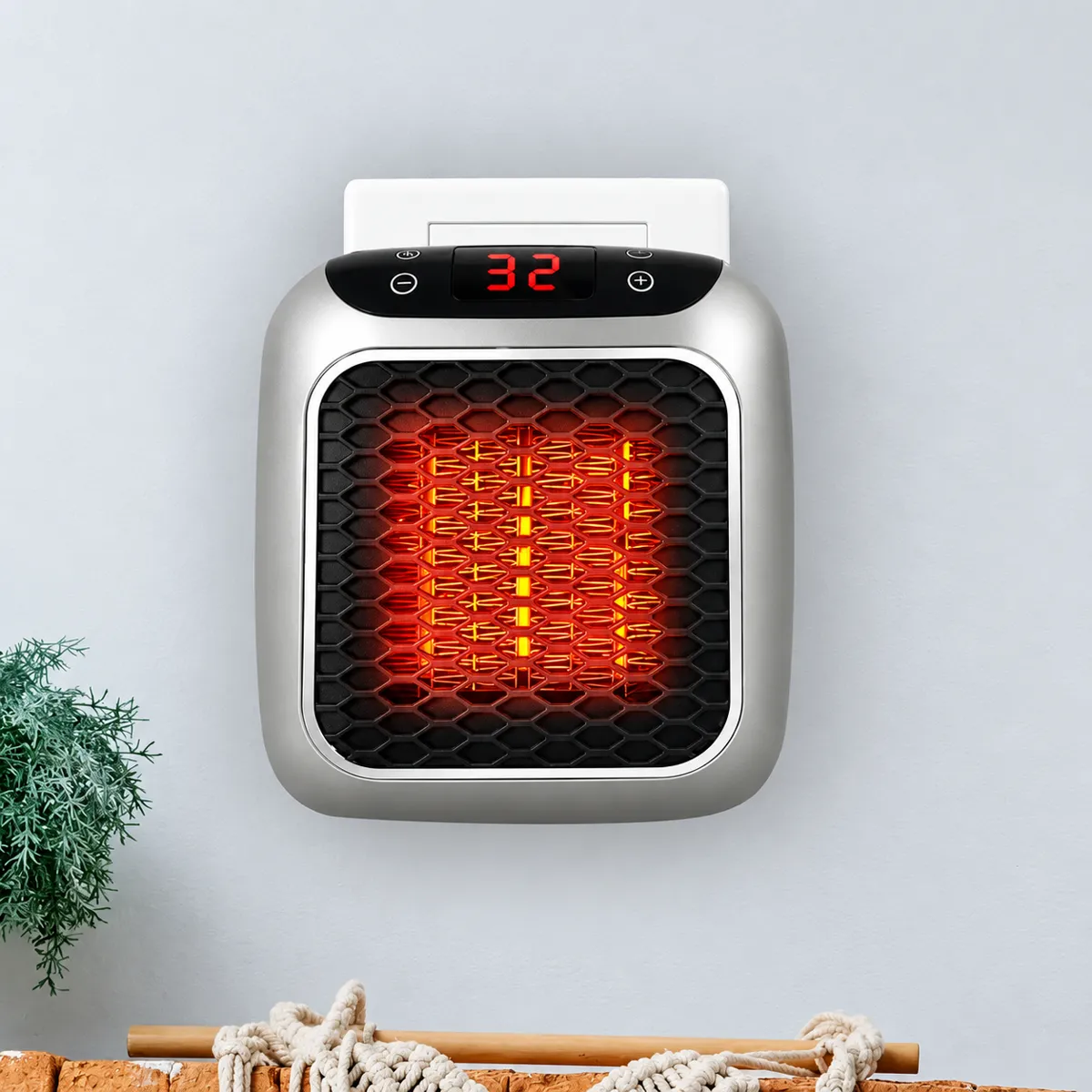 The plug-in heater that warms a room in minutesLooking for a plug-in heater? RapidHeat plugs straight into the wall outlet and warms a room in minutes, with a thermostat, remote and timer.4 min readA small space heater with big comfortNeed a small space heater? Compact RapidHeat fits any outlet, heats in minutes and runs quietly. Ideal for bedrooms, offices and small rooms.3 min read
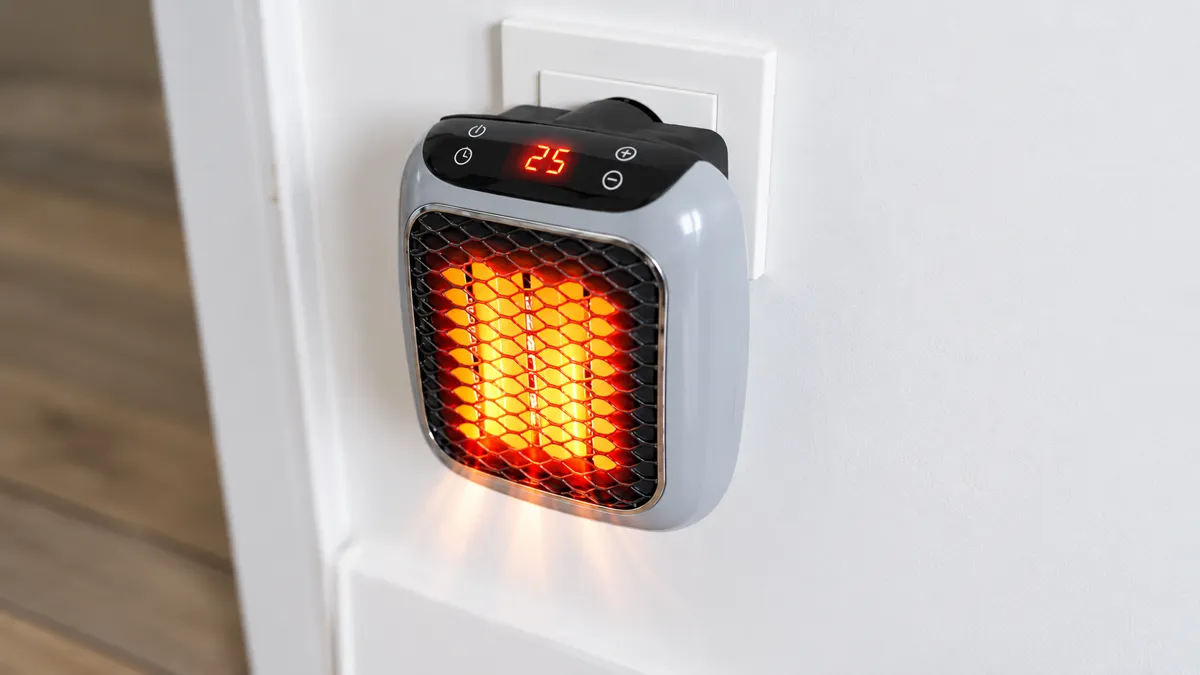 An energy-efficient heater that heats only where you areFind an energy-efficient heater that warms only the room you're in. RapidHeat runs at 400W or 800W, with a thermostat and timer to avoid waste.3 min read
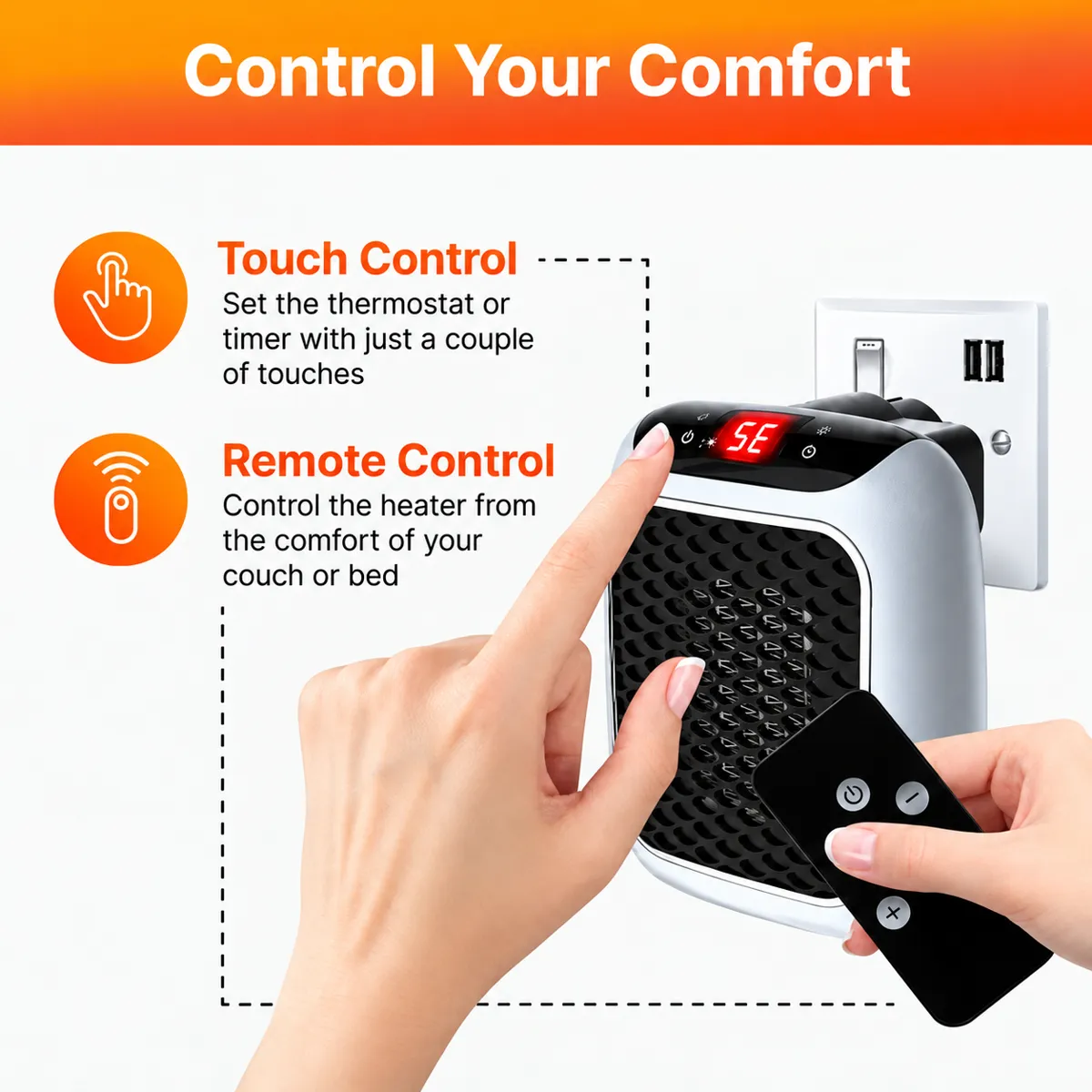 A portable electric heater that goes where you goRapidHeat is a portable electric heater you can move from room to room. It plugs into any outlet, heats in minutes and comes with a remote and timer.3 min readCeramic heater technology, explainedHow ceramic heaters work and why they heat faster. RapidHeat uses ceramic plates with a quiet fan to warm a room in minutes.3 min readA quiet, safe heater for your bedroomA heater for your bedroom should be quiet, safe and easy to control. RapidHeat runs at about 45 dB and has a timer, remote and overheat protection.3 min readStay warm while you workStay warm at your desk without heating the whole house. RapidHeat plugs into any outlet, runs quietly and heats a home office in minutes.3 min readNo more cold bathroom morningsTake the chill off cold bathrooms. Compact RapidHeat warms small rooms in minutes. Read the safety guidance before using any heater near water.2 min readWarm rental, with no installationRenting and the place is cold? RapidHeat needs no installation or landlord approval. Just plug it in and warm the room in minutes.3 min read
Tools and product info
How to stay warm for less this winter
Most homes waste money heating rooms nobody is using. These simple habits make the biggest difference, whatever heater you own.
1. Heat the room you're in
Turn the main heating down a little and warm just the bedroom, office or living room you're using with a small plug-in heater. This is the core idea behind heating one room cheaply.
2. Use the thermostat, not full power
Set a comfortable temperature and let the thermostat do the work. Once the room is warm, the heater cycles off and on, using far less than its full wattage. See what a space heater costs to run.
3. Close doors and block draughts
Warm air escapes fast through open doors, gaps under doors and uncovered windows. Closing the door and drawing curtains at dusk helps a small heater keep up, even in a larger room.
4. Pick the right size and type
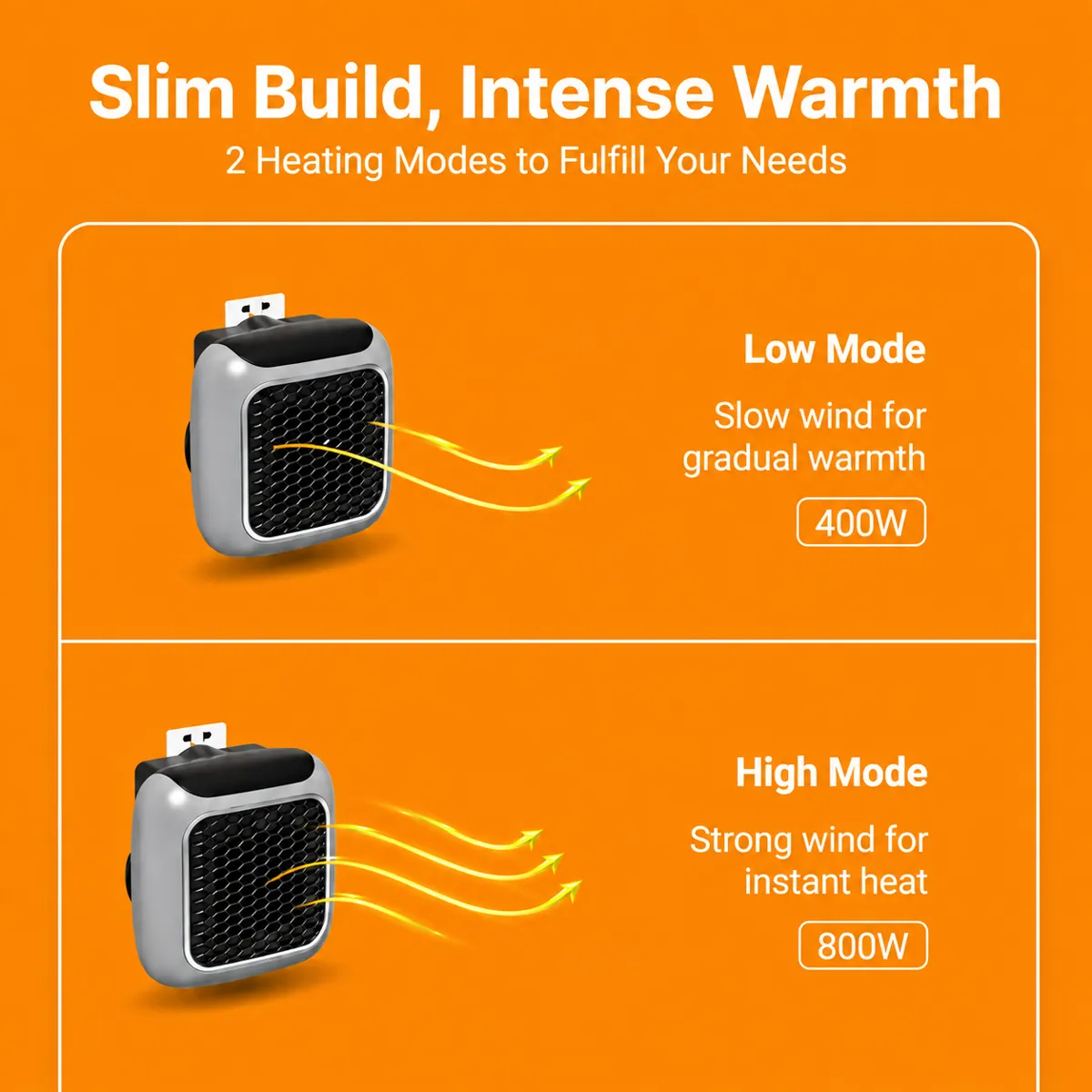
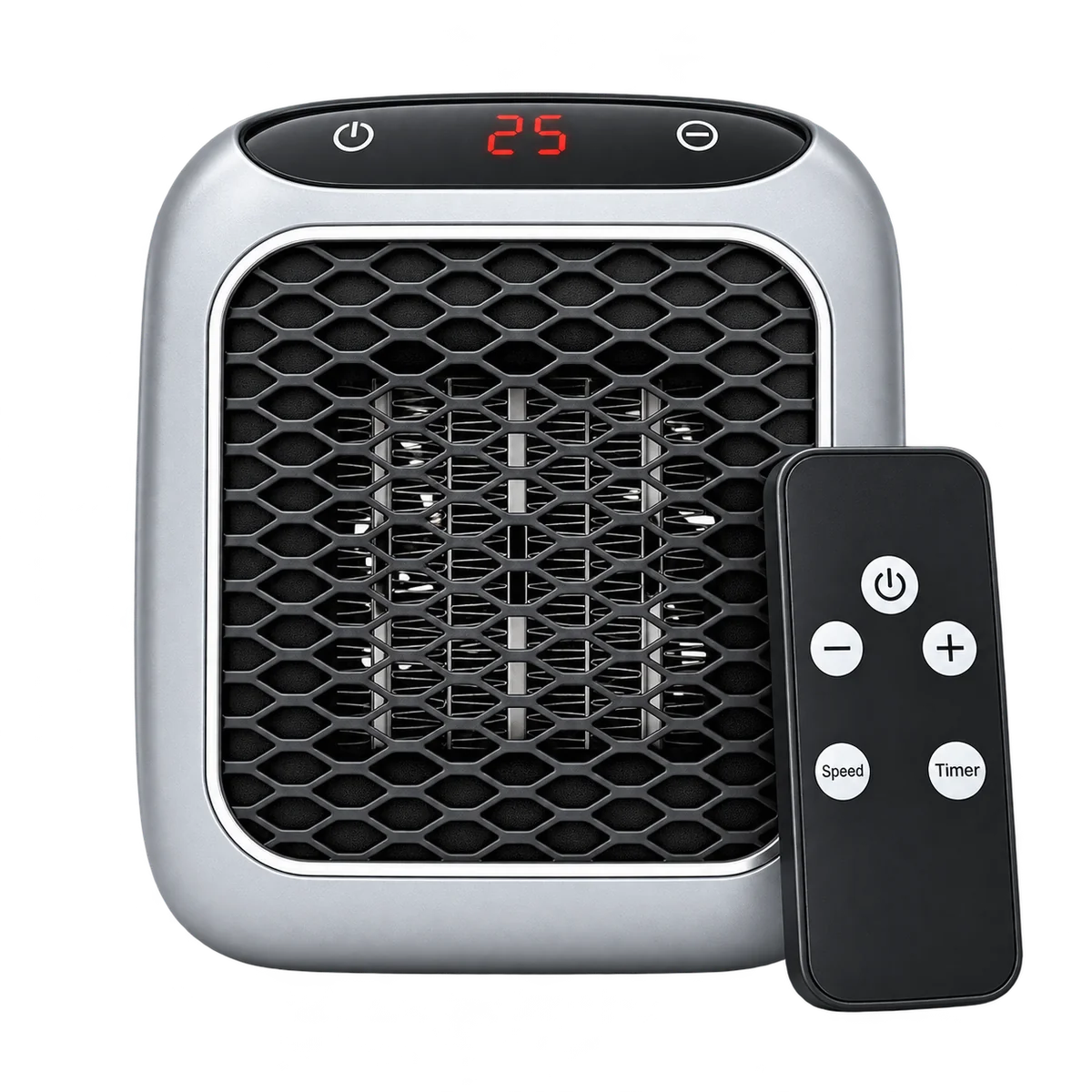
A 400W–800W ceramic heater suits small rooms; bigger rooms need two units or a different approach. Our ceramic vs infrared and ceramic vs oil-filled guides explain the trade-offs.
5. Use the timer
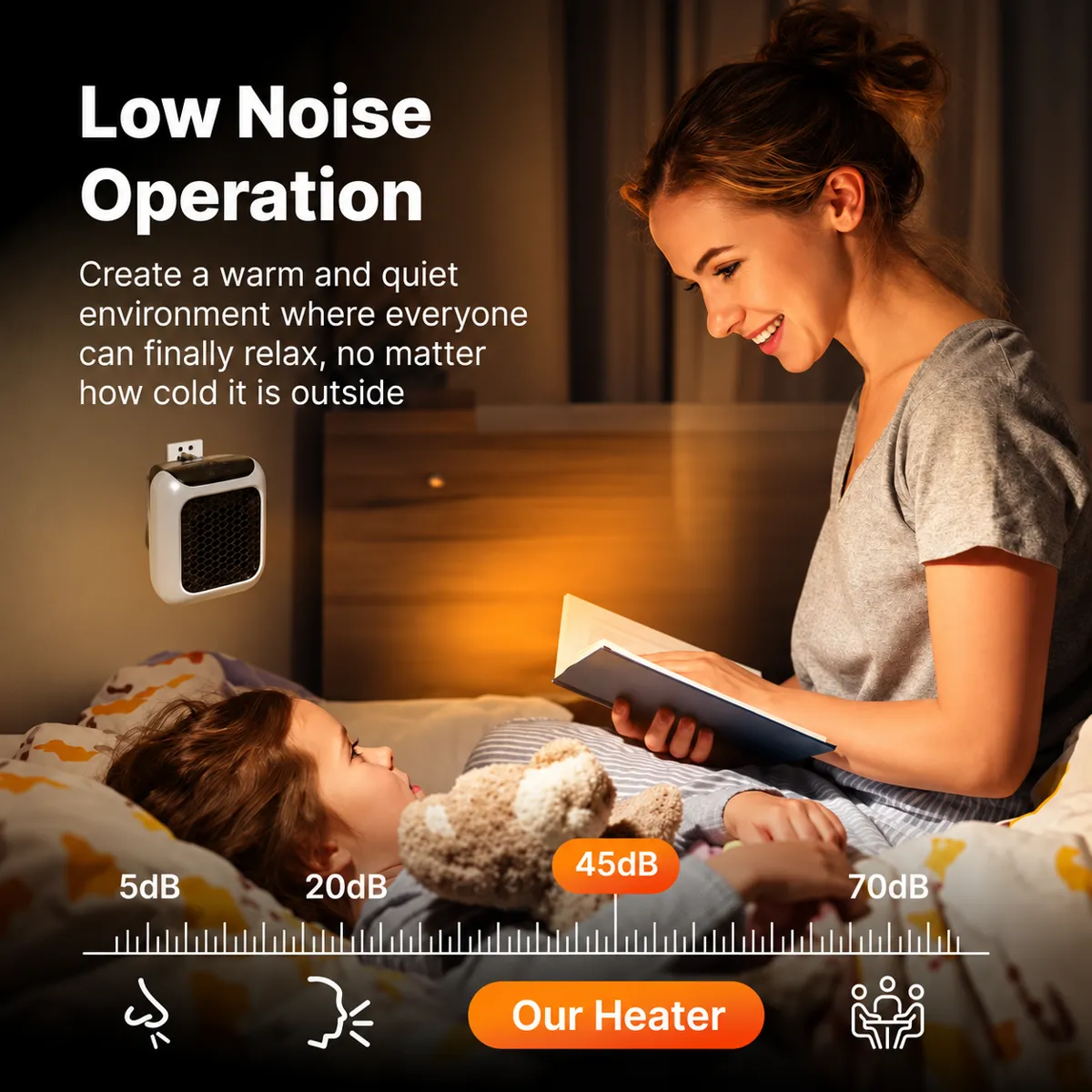
Set the heater to switch off after you fall asleep or before you leave the room. It saves money and is the safer choice. Read can you leave a heater on all night?
6. Follow the safety basics
Plug straight into a wall outlet (never an extension lead), keep about 1 m (3 ft) clear of curtains and bedding, keep it away from water, and never cover it. Our space heater safety guide covers the rest.
Written by the RapidHeat team · Updated October 2026
Common questions
What is the cheapest way to heat one room?
Heat only the room you're in with a small, low-wattage plug-in heater and a thermostat, close the door, and turn the main heating down in empty rooms.
Are plug-in heaters safe?
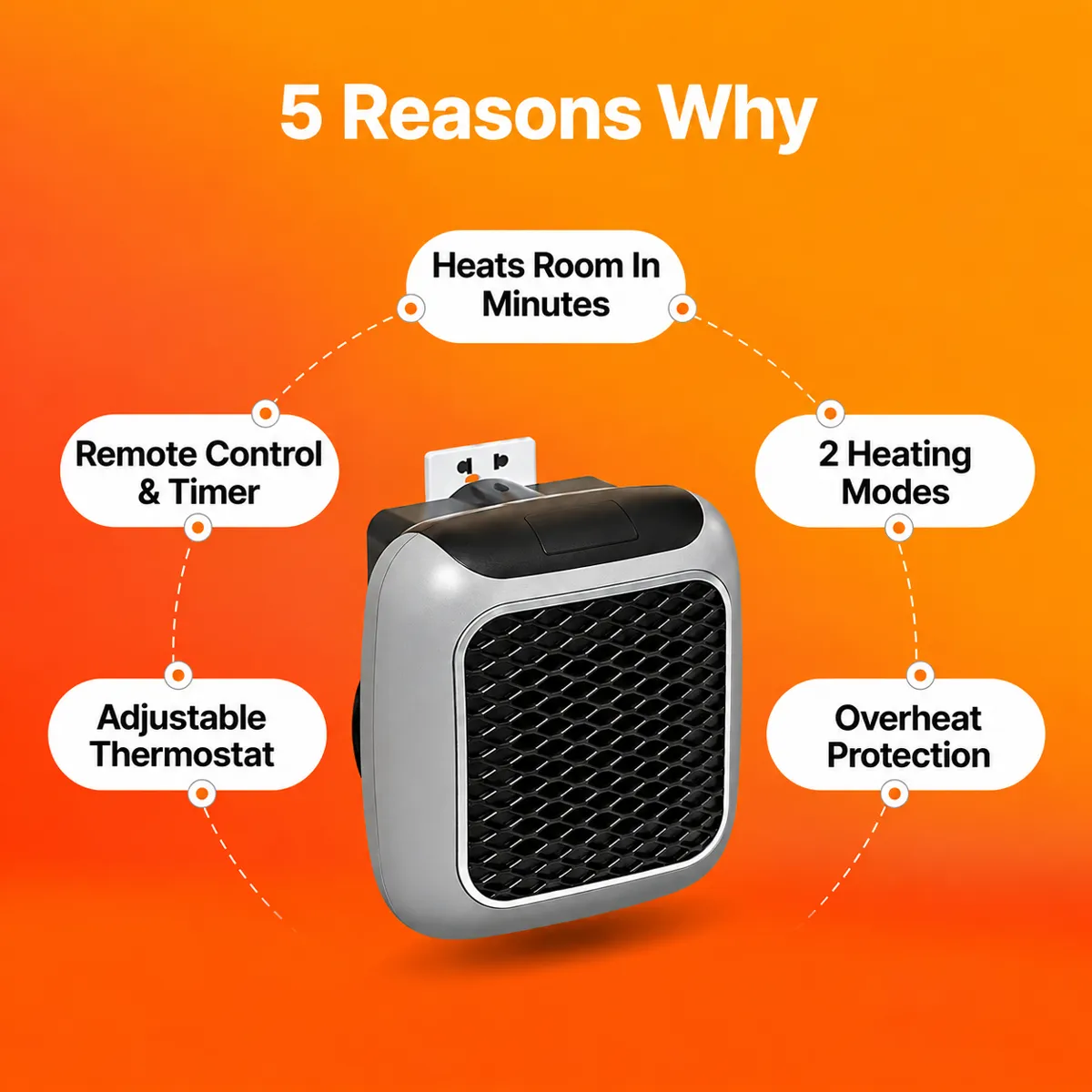
Modern ceramic plug-in heaters with overheat protection and auto shut-off are designed for home use. Plug straight into a wall outlet, keep 1 m (3 ft) clear around it and never cover it.
How much does a heater cost per hour?
Multiply the heater's kW by your electricity price. A 400W heater uses 0.4 kWh per hour, so at 0.25 per kWh it costs 0.10 per hour; an 800W heater costs 0.20; a 1,500W heater about 0.38.
What size heater do I need?
One RapidHeat suits rooms up to about 250 sq ft (≈23 m²). For larger rooms, use two or more units in different outlets rather than one very powerful heater.
Can I leave a space heater on overnight?
Only a heater with a thermostat, overheat protection and auto shut-off, plugged into a wall outlet and kept clear of bedding. Using the timer is the safest choice.
Is ceramic better than infrared or oil-filled?
Ceramic warms the air quickly and suits small rooms you use often. Infrared warms what it faces; oil-filled heats slowly but stays warm. Our comparison guides explain which fits your room.


